
Custom Orders Explained: How to Commission a Personalised Handmade Piece
There is a quiet thrill in owning something that exists because you asked for it. Not a product chosen from a grid of six colours, but a piece shaped around your kitchen shelf, your grandmother's embroidery stitches, or the ridiculous ears on your dog. Commissioning handmade work is a conversation, and like any good conversation it goes better when both sides know what they are trying to say. What follows is how that conversation usually runs, from the first tentative email to the parcel on your doorstep.
Work Out What Kind of Commission You Want
Makers tend to offer three levels of custom work, and knowing which one you are asking for saves everybody time.
- Made to order. A standard design, made fresh in your size or colour. Choose the slate grey rather than the oatmeal, the large rather than the small.
- Personalised. A standard design with something added: a name stamped into a leather strap, initials embroidered on a cushion, a date on the base of a bowl.
- Bespoke. Designed around you from scratch. The shelf is an awkward 62cm, the jumper has to fit a shorter torso and longer arms than any pattern allows, the ring must sit under a wedding band.
The distinction matters because each level carries a different amount of work behind the scenes. A colour change is a quick email. A fully bespoke piece might involve drawings, samples and several weeks of back-and-forth before anything is made at all.
Gather Your Details Before You Enquire
The best first messages are specific. Fifteen minutes with a tape measure and your camera roll will put you ahead of most enquiries a maker receives that week. Have the following to hand:
- The purpose and any deadline. "A christening gift for the first weekend in June" tells a maker far more than "sometime in spring".
- Dimensions. Measure the shelf, the table, the wrist or the person. Photograph the tape measure in place if the space is awkward.
- Colours and materials you like — and any you would rather avoid. A photo of a favourite mug or a paint swatch is worth a paragraph of description.
- How it will be used. Daily wear, decorative only, handled by small children, kept outdoors. This shapes material choices more than anything else.
- A budget range. You do not need to name a figure in the first sentence, but being honest about the ballpark prevents a beautiful quote you cannot accept.
The Enquiry Itself
A strong enquiry reads like a short brief. Here is the sort of thing that makes a maker reach for their notebook rather than their polite-decline template:
Hello — I'd like to commission a set of four cereal bowls, roughly 14cm across, in a deep green glaze similar to the one on your mugs, with a small thumb rest on each. It's a birthday present for late September. I'm happy to be guided on what works in the kiln.
Note the last sentence. Makers spend their working lives learning what their material will and will not do, so leaving room for their judgement usually produces a better piece than a rigid specification. Ask, too, whether they are currently taking commissions and what their lead time looks like. A good maker will tell you honestly if they cannot fit you in, and may recommend someone who can.
Quotes, Deposits and Timelines
Reading a quote
A proper quote breaks down materials, labour, finishing, packaging and delivery. If it arrives as a single figure, it is entirely reasonable to ask what it covers and whether delivery is included. Bespoke work is usually more expensive than a ready-made piece, and that is not a markup for the word "custom" — it is the hours spent designing, sampling and setting up tools for a run of one.
Deposits and staged payment
Most makers ask for a deposit before starting, because materials cost money up front and a cancelled commission leaves them with a half-finished object nobody asked for. Deposits are typically non-refundable, with the balance due before dispatch. Ask what happens if you cancel, and what happens if the finished piece does not match the design you approved. Get the key terms in an email, even if they were discussed on the phone. For commissions involving significant sums, it is sensible to have a written agreement you both sign.
Timelines
Ask what could shift the date: drying and curing times, kiln schedules, dye lots, a supplier running out of a particular yarn, illness. A realistic schedule built with slack is worth more than a hopeful one. Agree how often you will be updated, and resist the urge to check in every few days.
Design Approval and the Making Stage
Before any making begins, expect to approve something concrete: a scale drawing, a glaze test tile, a yarn swatch, a paper pattern, a digital mock-up. This is your moment to speak up. It is far easier to change a shade on a sample tile than on a finished set of six plates.
Most makers include one or two rounds of small adjustments in the quoted price; substantial changes of direction partway through may add cost and time, which is fair enough. Keep the approval emails — they protect both of you if memories differ later.
During the making stage, some craftspeople share progress photos and some prefer to work quietly and show you the result. Both are normal. If you would like updates, say so at the start rather than wondering at week six.
Delivery and Afterwards
Before the final payment, confirm a few practicalities:
- How the piece will be packed, and whether postage is tracked and insured.
- Roughly how long delivery will take once it leaves the workshop.
- What to do if it arrives damaged — photograph the packaging before unwrapping if the box looks battered, and keep everything until the maker has replied.
- Care instructions in writing: washing, sunlight, food safety, polishing, storing.
Ask for the care notes even if you think you will remember. Handmade objects often need gentler treatment than factory ones, and a few lines of guidance can add years to a piece.
Getting the Most From a Commission
Be clear about what you need, flexible about how it is achieved, and prompt with payments. Trust the maker's judgement on the technical details — you are paying for exactly that expertise. If you are nervous about a large commission, start with something small: a mug, a pair of mittens, a single cushion. That first piece tells you how someone works, communicates and finishes, and it makes the bigger conversation much easier.
Then, when the parcel arrives, use the thing. Send a photo of it in its new home. Most makers keep a folder of those pictures, and it is the closest thing the craft has to a pay rise.
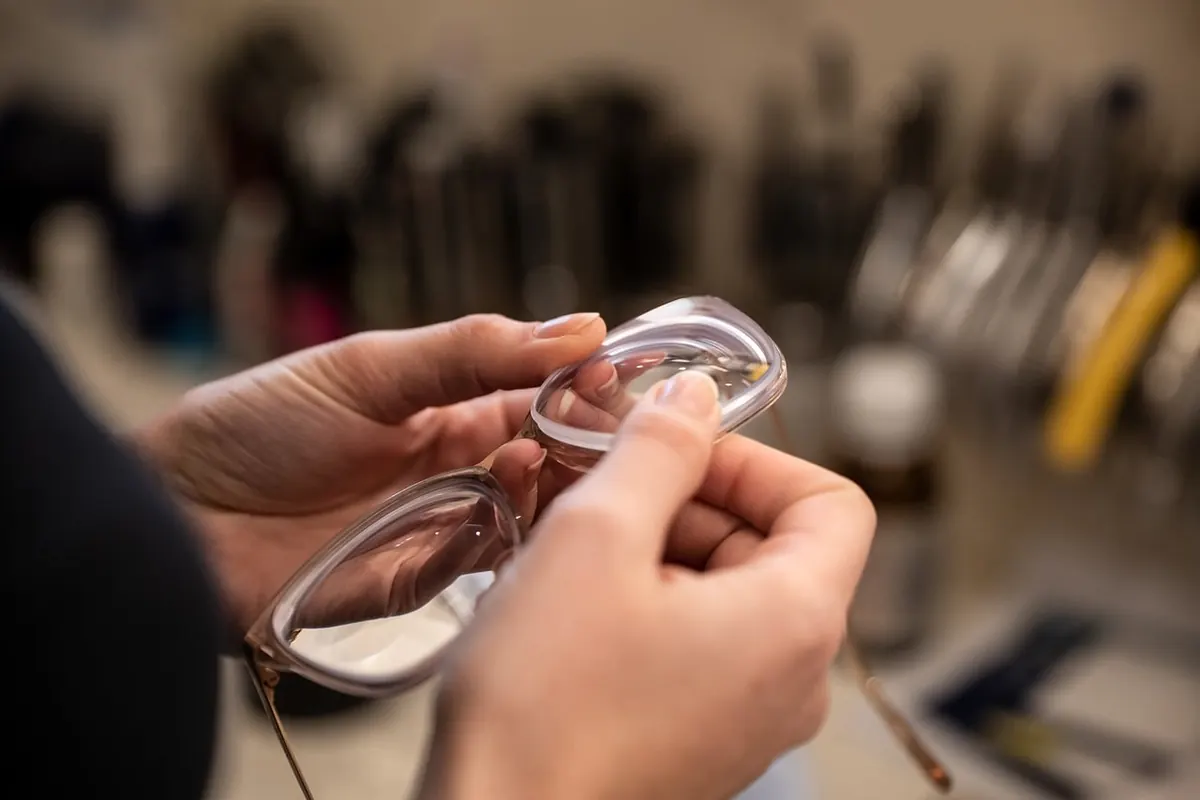
Photo: Henning_W / Pixabay